Introducing Frostwarden, AT-Plus and the Cruseross all-terrain rangeA driver choosing tyres for a daily commute has different needs from someone heading onto a gravel road, a muddytrail or a snow-covered highway. Choosing the right tread pattern matters as much as choosing the right tyre size.Warrior’s passenger car radial (PCR) range now offers…
When we talk about maintenance, tread depth gets all the attention. But there is another critical factor that most drivers overlook: age.Even if a tyre looks brand new, the rubber inside is on a clock. Knowing how long your tyres actually last—and how to spot when they are past their prime—can keep you safe…
Why Connect with Us First?Entering the international tyre trade isn't just about placing orders, it’s about having a growth partner who provides real market clarity, flexible sourcing, and dedicated support. Before stepping onto a massive exhibition floor, see how our relationship-first approach gives new importers a distinct advantage and a clear roadmap to long-term…
Unlocking New Business Opportunities in the World's Largest Tyre Manufacturing Hub1. Meet Hundreds of Manufacturers in One PlaceMeet hundreds of Chinese tyre manufacturers in a few days, compare product quality, manufacturing capability, certifications, production capacity and export experience, saving time while identifying the right supplier.2. Compare Different Brands Side by…
From brand value to customer trust, here's what the 2026 Brand Finance Tyres Report tells us about where the global tyre industry is heading.IntroductionLooking to source tyres from the world's most valuable tyre brands? Trojan Limited helps importers identify leading global tyre manufacturers based on brand value, market reputation, product quality, and regional…
For decades, the tyre industry has been shaped by one simple belief:If it's a well-known brand, it must be the best choice.And to be fair, many premium brands have earned that reputation through years of innovation, consistency, and proven performance.But here's a question I think every importer and fleet manager should ask…
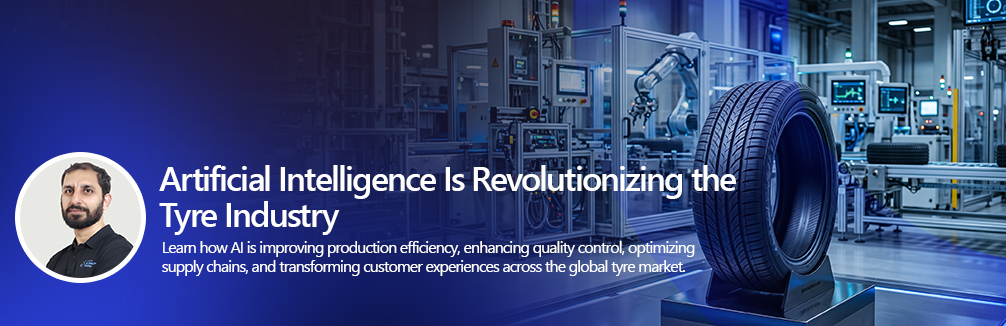
The tyre industry has traditionally been driven by engineering excellence, manufacturing precision, and continuous product innovation. In 2026, however, another force is reshaping the industry—Artificial Intelligence (AI).From automated production lines and predictive quality control to intelligent logistics and AI-powered customer support, technology is helping tyre manufacturers and distributors improve efficiency, reduce costs, and deliver…
The tyre industry is constantly evolving, and new technologies often bring new terms that can create confusion. One of the most common examples today is the difference between self-healing tyres and self-sealing tyres.Many people use these terms interchangeably, but they are not exactly the same.Self-sealing tyres are currently the more widely available commercial…
The global tyre industry is facing one of its most challenging periods in recent years. Importers, distributors, fleet operators, and end-users are all feeling the pressure as tyre prices continue to rise while international shipping costs remain volatile.Many customers are asking the same question:“Should we wait for prices to come down, or should…
In the transportation industry, profitability is not only about moving more cargo, it is about controlling operational costs and avoiding unnecessary downtime.For many fleet owners today, the pressure is growing from every direction. Fuel prices continue to rise, delivery schedules are becoming tighter, and customers expect consistent service without delays. In such conditions, even…
In many emerging and high-demand transport markets, the focus when purchasing tyres is often on initial price. However, experienced fleet operators and importers understand that the real metric that matters is cost per kilometer (CPKM) — not the purchase price.This is where premium TBR (Truck & Bus Radial) tyres prove their true value.The…
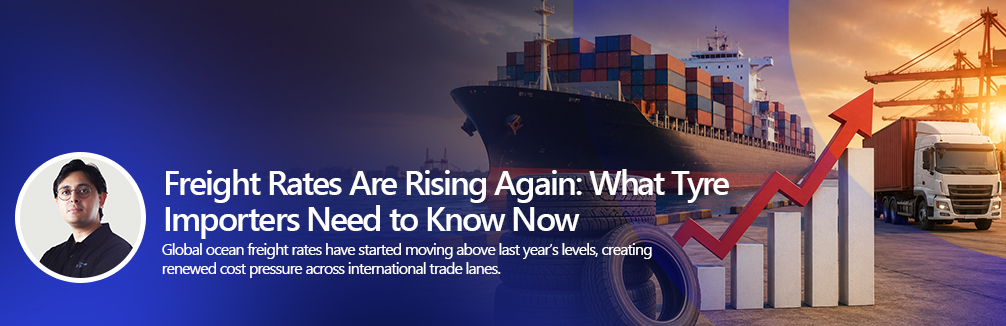
Global ocean freight rates have started moving above last year’s levels, creating renewed cost pressure across international trade lanes. This shift is not driven by seasonal demand alone, but by tighter shipping capacity, operational constraints, and higher fuel-related expenses.For industries dependent on container movement — such as tyre exports — this change has direct…